Parasite Inhibitors
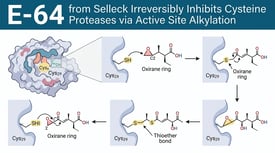
Parasite inhibitors represent a diverse class of therapeutic agents designed to combat parasitic infections, which afflict billions globally and are a leading cause of morbidity and mortality, particularly in tropical and subtropical regions. The mechanism of action for these inhibitors is highly varied, targeting essential metabolic pathways, structural components, or replication processes unique to the Parasite or significantly divergent from the host. For instance, antimalarial drugs often target the parasite's heme detoxification pathway (e.g., chloroquine preventing hemozoin formation), folate synthesis (e.g., pyrimethamine inhibiting dihydrofolate reductase in Plasmodium falciparum), or apicoplast functions crucial for fatty acid and isoprenoid synthesis. Trypanosomiasis treatments frequently focus on glycolysis within the glycosome, trypanothione metabolism (e.g., eflornithine targeting ornithine decarboxylase), or specific cysteine proteases like cruzipain. Leishmaniasis drugs may inhibit pteridine reductase or trypanothione reductase, vital for redox balance. These inhibitors are critical for treating a spectrum of neglected tropical diseases (NTDs), including malaria, African Trypanosomiasis (sleeping sickness), Chagas disease, Leishmaniasis, Schistosomiasis, and Filariasis. The diseases are characterized by chronic debilitating symptoms, often leading to severe organ damage and death if untreated, and disproportionately affect impoverished populations.
Current research progress and the status of inhibitors vary significantly by disease. For malaria, artemisinin-based combination therapies (ACTs) are the frontline, but resistance to artemisinins and partner drugs is a growing concern, necessitating continuous drug discovery. Tafenoquine, a new drug for Plasmodium vivax relapse prevention, and ganaplacide, in clinical trials, represent ongoing efforts. For African Trypanosomiasis, fexinidazole was recently approved, joining eflornithine and nifurtimox. Benznidazole and nifurtimox are used for Chagas disease. Leishmaniasis relies on miltefosine, amphotericin B, and paromomycin, with new formulations and derivatives under investigation. Many compounds are in preclinical and early clinical stages, often involving repurposing existing drugs or developing novel chemical scaffolds with improved efficacy and safety profiles.
Common classifications of parasite inhibitors include categorization by their specific molecular target (e.g., DHFR inhibitors, cysteine protease inhibitors, trypanothione reductase inhibitors), by their chemical class (e.g., quinolines, artemisinin derivatives, nitroheterocyclics), or by the parasite species they target. The goal is always selective toxicity, minimizing harm to the host while maximizing parasiticidal effect. Other relevant general knowledge includes the pervasive challenge of drug resistance, which necessitates the development of new drug classes and combination therapies to extend drug lifespans. The complex life cycles of many parasites and their ability to evade the host immune system also pose significant challenges. Research tools include high-throughput screening of compound libraries against parasite cultures and the use of animal models. The economic burden of NTDs often means that drug development is driven by public-private partnerships and philanthropic organizations, focusing on affordable and accessible treatments. Understanding host-parasite interactions and identifying biomarkers for drug efficacy and resistance are crucial for advancing these therapies.