CXCR Antagonists
Chemokine receptors of the CXCR family are seven-transmembrane G-protein coupled receptors (GPCRs) that mediate the migration, adhesion, and activation of various cell types, particularly leukocytes. The most extensively studied member, CXCR4, binds specifically to its ligand CXCL12 (SDF-1), triggering signaling pathways such as PI3K/Akt, MAPK/ERK, and JAK/STAT. This axis is fundamental for hematopoietic stem cell homing, immune surveillance, and embryonic development. However, dysregulation of CXCR signaling is a hallmark of numerous pathologies, including chronic inflammation, autoimmune diseases, and cancer. In oncology, CXCR4 is frequently overexpressed in over 20 types of human cancers, where it promotes tumor growth, angiogenesis, and the organ-specific metastasis of malignant cells to tissues with high CXCL12 expression, such as the bone marrow, lungs, and liver.
CXCR antagonists represent a diverse class of therapeutic agents designed to block these interactions. The most prominent success in this field is Plerixafor (AMD3100), a small-molecule bicyclam that was originally developed as an anti-HIV agent but is now FDA-approved for mobilizing hematopoietic stem cells from the bone marrow into the peripheral blood for transplantation in patients with non-Hodgkin lymphoma or multiple myeloma. Beyond Plerixafor, newer generations of antagonists like mavorixafor and BL-8040 are currently in clinical trials for various indications. Mavorixafor is being evaluated for WHIM syndrome, a rare genetic immunodeficiency caused by gain-of-function mutations in CXCR4, while others are being tested in combination with chemotherapy or checkpoint inhibitors to overcome the immunosuppressive tumor microenvironment. CXCR antagonists can be classified into several categories: small molecules, cyclic peptides, and monoclonal antibodies.
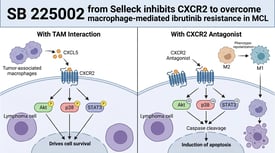
Small molecules like Plerixafor often act as competitive inhibitors, while antibodies like ulocuplumab offer higher specificity and longer half-lives. A significant challenge in targeting the CXCR system is the inherent redundancy and complexity of chemokine signaling; for instance, CXCL12 also binds to CXCR7 (ACKR3), which acts as a scavenger receptor or a biased signaling mediator, potentially complicating the effects of pure CXCR4 inhibition. Furthermore, long-term blockade of CXCR4 can lead to neutropenia or other hematological disturbances due to its essential role in normal hematopoiesis. Current research is focusing on developing dual CXCR4/CXCR7 inhibitors and exploring the role of other family members like CXCR1 and CXCR2 in neutrophil-mediated inflammation and tumor progression. The integration of CXCR antagonists into multi-modal therapeutic strategies holds great promise for improving outcomes in metastatic cancer and refractory inflammatory conditions.
As our understanding of the spatial and temporal dynamics of chemokine gradients improves, more precise and potent antagonists are expected to enter the clinical pipeline, potentially transforming the management of diseases driven by aberrant cell trafficking.