E1 Activating Inhibitors
E1 Activating enzymes are the crucial first step in the intricate ubiquitin-proteasome system (UPS) and various ubiquitin-like protein (UBL) modification pathways, such as SUMOylation and NEDDylation. These enzymes initiate the cascade by activating ubiquitin or a UBL protein in an ATP-dependent manner, forming a high-energy thioester bond between the C-terminus of ubiquitin/UBL and a cysteine residue on the E1 enzyme. This activated ubiquitin/UBL is then transferred to an E2 conjugating enzyme, which subsequently cooperates with an E3 ligase to covalently attach ubiquitin/UBL to target proteins. This post-translational modification serves as a critical regulatory mechanism, primarily marking proteins for degradation by the 26S proteasome (ubiquitination) or altering their function, localization, or interaction partners (UBL modifications). The UPS and UBL pathways are fundamental for maintaining protein homeostasis, regulating cell cycle progression, DNA repair, signal transduction, and immune responses. Given their central role in cellular control, dysregulation of these pathways is frequently observed in various diseases, most notably cancer, where aberrant protein degradation or modification contributes to oncogenesis and tumor progression. E1 enzymes are also implicated in viral replication and neurodegenerative disorders.
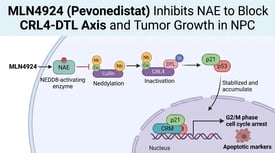
The therapeutic targeting of E1 Activating enzymes has emerged as a promising strategy, particularly in oncology, due to the critical dependency of many cancer cells on these pathways for survival and proliferation. The most advanced E1 inhibitor in clinical development is Pevonedistat (MLN4924), which targets the NEDD8-activating enzyme (NAE), an E1 enzyme for the UBL NEDD8. NEDDylation is essential for the activation of cullin-RING ligases (CRLs), a large family of E3 ubiquitin ligases. By inhibiting NAE, pevonedistat blocks CRL activity, leading to the accumulation of CRL substrates, including cell cycle regulators, and ultimately inducing apoptosis in cancer cells. Pevonedistat has progressed to late-stage clinical trials for acute myeloid leukemia (AML) and myelodysplastic syndromes (MDS), showing encouraging results and demonstrating a clear mechanism of action. While not yet approved, it represents a leading candidate in this class. Beyond NAE, inhibitors targeting the ubiquitin-activating enzyme (UBA1), the E1 enzyme for ubiquitin, are in preclinical development, aiming to broadly disrupt the UPS.
Similarly, inhibitors for SUMO-activating enzyme (SAE), the E1 for SUMOylation, are also being explored. Inhibitors are typically classified by their specificity for different E1 enzymes (e.g., NAE, UBA1, SAE) and their mechanism of action, often being ATP-competitive or mechanism-based inhibitors that form covalent adducts with the E1-ubiquitin/UBL thioester intermediate. Key challenges in E1 inhibitor development include potential toxicity due to the essential and widespread roles of the UPS and UBL pathways in normal cellular physiology. Achieving a therapeutic window where cancer cells are selectively targeted while sparing healthy cells is crucial. Resistance mechanisms can involve upregulation of alternative degradation pathways or mutations in the E1 enzyme itself. To enhance efficacy and mitigate resistance, combination therapy strategies are being actively investigated. Pevonedistat, for instance, is being combined with chemotherapy (e.g., azacitidine) or proteasome inhibitors (e.g., bortezomib) to achieve synergistic anti-tumor effects.
The rationale is to simultaneously disrupt multiple protein degradation pathways or to sensitize cancer cells to existing treatments. The ongoing research into novel E1 inhibitors and their strategic deployment in combination regimens continues to expand the landscape of targeted therapies, offering new hope for patients with challenging malignancies.