DNA Methyltransferase Inhibitors
DNA Methyltransferases (DNMTs) are a family of enzymes responsible for the covalent addition of a methyl group to the C5 position of cytosine residues, typically within CpG dinucleotides. This epigenetic modification, known as DNA methylation, plays a fundamental role in regulating gene expression, maintaining genomic stability, and ensuring proper cellular differentiation. The family includes DNMT1, which is primarily responsible for maintaining methylation patterns during DNA replication, and DNMT3A and DNMT3B, which are involved in de novo methylation. In many cancers, the DNA methylation landscape is profoundly altered, characterized by global hypomethylation and site-specific hypermethylation of CpG islands in the promoter regions of tumor suppressor genes. This hypermethylation leads to the transcriptional silencing of genes involved in cell cycle regulation, DNA repair, and apoptosis, thereby driving oncogenesis. DNA Methyltransferase inhibitors (DNMTis) are designed to reverse these aberrant methylation patterns and restore the expression of silenced tumor suppressor genes, a process often referred to as epigenetic reprogramming.
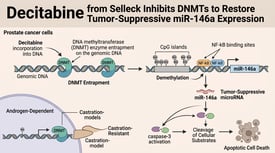
The most well-established DNMTis are nucleoside analogs, such as azacitidine (5-azacytidine) and decitabine (5-aza-2'-deoxycytidine). These compounds are incorporated into the DNA of rapidly dividing cancer cells during the S-phase of the cell cycle. Once incorporated, they form a stable, covalent complex with the DNMT enzymes, effectively trapping them on the DNA and leading to their proteasomal degradation. This results in a global reduction in DNA methylation levels over subsequent rounds of cell division. These agents are currently the standard of care for myelodysplastic syndromes (MDS) and are widely used in the treatment of acute myeloid leukemia (AML), particularly in elderly patients who are not candidates for intensive chemotherapy. DNMTis can be classified into two main groups: nucleoside analogs and non-nucleoside inhibitors.
While nucleoside analogs like azacitidine and decitabine are clinically approved, they suffer from limitations such as chemical instability, short half-lives in plasma due to deamination by cytidine deaminase, and the requirement for active cell division. Non-nucleoside inhibitors, such as hydralazine or procainamide, and newer small molecules like zebularine or RG108, aim to inhibit the enzyme without being incorporated into the DNA, potentially offering lower toxicity and better stability, though their clinical efficacy has generally been lower than that of nucleoside analogs. Current research is focused on overcoming the limitations of first-generation DNMTis. Guadecitabine, a second-generation dinucleotide of decitabine, was designed to be resistant to degradation by cytidine deaminase, providing more prolonged exposure. Additionally, there is significant interest in combining DNMTis with other therapies, such as histone deacetylase (HDAC) inhibitors or immune checkpoint inhibitors. The rationale for the latter is that DNMTis can induce the expression of endogenous retroviruses and viral mimicry, which enhances the immunogenicity of tumor cells and sensitizes them to immunotherapy.
Challenges remain, including the development of primary and secondary resistance and the need for predictive biomarkers to identify patients most likely to respond to epigenetic therapy.