Hexokinase Inhibitors
Hexokinases (HKs) are a family of enzymes that catalyze the first committed step of glycolysis: the phosphorylation of glucose to glucose-6-phosphate (G6P). This reaction traps glucose within the cell and initiates its metabolic breakdown. There are four main mammalian isoforms, HK1-4, each with distinct kinetic properties, tissue distribution, and regulatory mechanisms. HK1 and HK2 are widely expressed, with HK1 being abundant in brain and muscle, and HK2 predominantly found in insulin-sensitive tissues like muscle and fat, and notably, in many cancer cells. HK3 is less understood, while HK4, also known as glucokinase, is primarily found in the liver and pancreatic beta cells, playing a crucial role in glucose sensing and insulin secretion. In cancer, HK2 is frequently overexpressed and plays a critical role in the Warburg effect, where cancer cells preferentially metabolize glucose via aerobic glycolysis, even in the presence of oxygen.
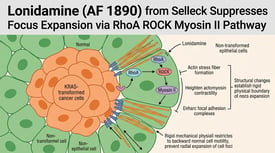
This metabolic reprogramming provides cancer cells with a survival advantage by generating ATP rapidly, producing biomass precursors for proliferation, and inhibiting apoptosis by binding to the outer mitochondrial membrane. Beyond cancer, HKs are involved in metabolic disorders like diabetes, though in this context, HK4 activators are often sought to enhance insulin secretion. Current research on Hexokinase inhibitors is largely in the preclinical and early clinical stages, primarily focusing on HK2 as an anti-cancer target. 2-deoxyglucose (2-DG), a glucose analog, is a well-known non-selective HK inhibitor that has been investigated in clinical trials but suffers from a lack of specificity and potential for systemic metabolic toxicity. The development of more selective HK2 inhibitors is a key area of focus, with compounds like lonidamine and various small molecules showing promise in preclinical models. These selective inhibitors aim to exploit the metabolic vulnerability of cancer cells while sparing normal tissues.
Inhibitors can be classified as competitive (glucose analogs), allosteric, or compounds that disrupt the binding of HK2 to mitochondria, which is crucial for its anti-apoptotic function. A major challenge in HK inhibition is achieving high selectivity for HK2 over other isoforms, particularly HK1, which is essential for glucose metabolism in vital organs. Off-target effects and metabolic toxicities are significant concerns. Resistance mechanisms, such as upregulation of alternative glycolytic enzymes or metabolic pathways, are also being investigated. Combination therapy strategies, pairing HK inhibitors with conventional chemotherapy, radiation, or other targeted agents that exploit metabolic vulnerabilities, are being explored to enhance therapeutic efficacy and overcome resistance. The promise of targeting the Warburg effect through HK2 inhibition remains a compelling strategy in oncology.